Understanding the psychological triggers behind gambling addiction in casinos
Understanding the psychological triggers behind gambling addiction in casinos
The Allure of Casinos and the Psychology of Gambling
Casinos have a unique ability to captivate and entice individuals from all walks of life. The ambiance, with its vibrant lights and electrifying sounds, creates an environment that stimulates excitement and anticipation. This sensory overload triggers the brain’s reward system, releasing dopamine, a neurotransmitter associated with pleasure. As players engage in games, the thrill of potential rewards becomes a powerful motivator, drawing them deeper into the gaming experience.
The various games available in casinos, from slots to card tables, each possess their own psychological appeals. Games of chance exploit the unpredictability of outcomes, leading players to develop false hopes. The random nature of winning or losing can create an illusion of control, prompting individuals to chase their losses. This behavior is rooted in cognitive biases, such as the gambler’s fallacy, where players believe that past results will influence future outcomes, enhancing their urge to continue gambling.
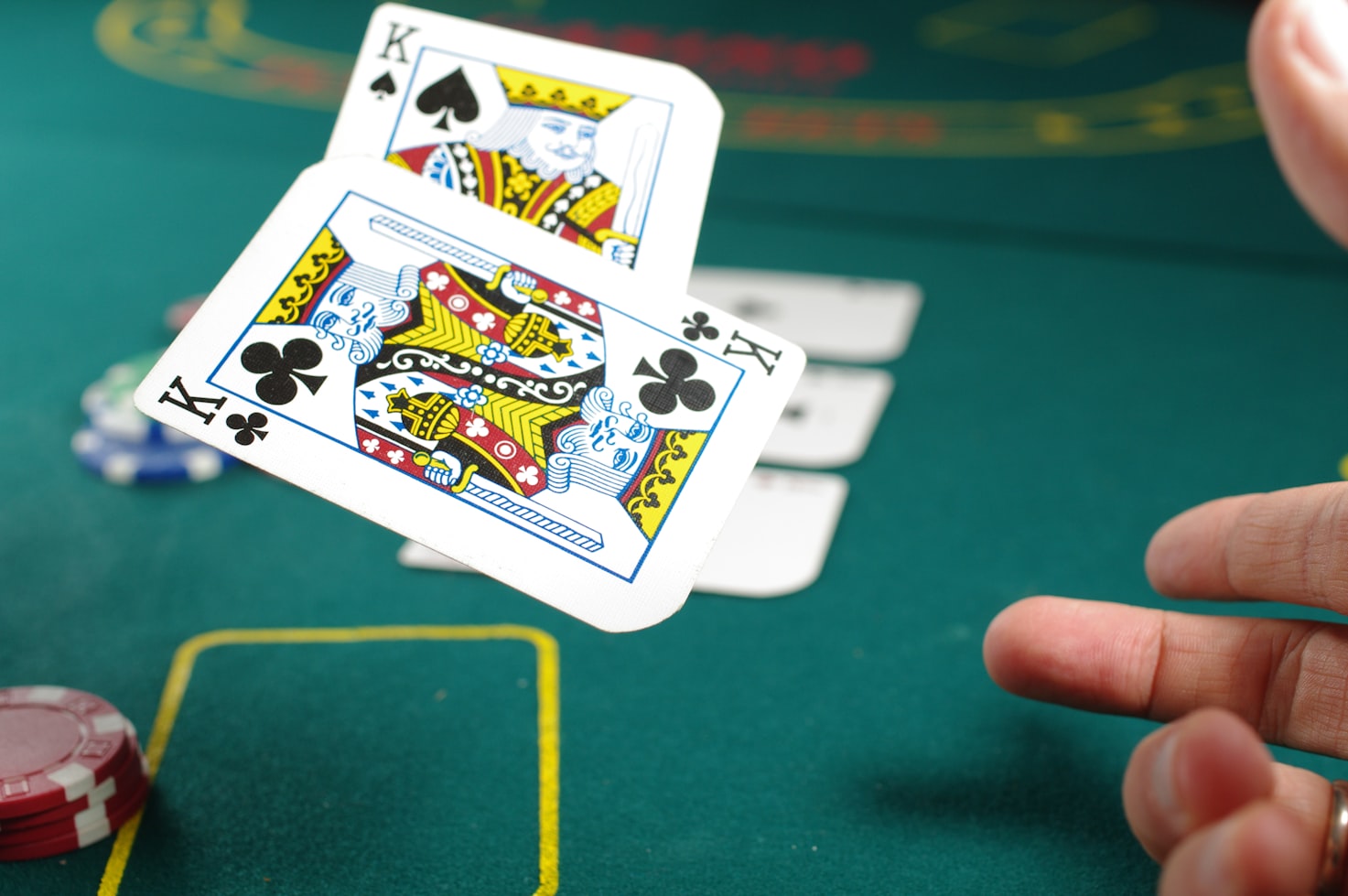
Additionally, social factors contribute significantly to the allure of casinos. The communal atmosphere, often accentuated by alcohol and social interactions, can amplify the emotional highs and lows experienced by players. This environment fosters a sense of belonging and camaraderie, making it easier for individuals to overlook the potential dangers of excessive gambling. As the stakes rise, so does the excitement, leading to a cycle of reinforcement that can entrap even the most cautious players.
The Role of Cognitive Dissonance in Gambling Addiction
Cognitive dissonance is a psychological phenomenon where individuals experience discomfort from holding conflicting beliefs or attitudes. In the context of gambling, this can manifest when a player rationalizes their gambling behavior despite negative consequences. For instance, someone might convince themselves that they are only playing for fun, even as financial losses mount. This internal conflict can lead to justifications that ultimately reinforce compulsive behavior.
This dissonance can create a barrier to recognizing the risks associated with gambling. Players may minimize the impact of their losses or believe they are “due” for a win, which can further entrench their addiction. Such thought patterns become ingrained, complicating the journey toward recovery. The more one engages in rationalizations, the more difficult it becomes to break free from the cycle of gambling.
The impact of cognitive dissonance can extend beyond personal justification. Family and friends may also play a role in reinforcing a gambler’s behavior, whether intentionally or inadvertently. Their reactions, ranging from support to concern, can influence the gambler’s perception of their addiction. Over time, this external validation can create a toxic environment, making it even harder for the individual to confront their gambling issues.
The Impact of Emotional States on Gambling Behavior
Emotional states significantly influence gambling behavior, often serving as catalysts for addiction. Individuals may gamble to escape negative emotions such as stress, anxiety, or depression. The thrill of winning can provide a temporary relief from these feelings, creating a cycle where gambling becomes a coping mechanism. This emotional connection can make it challenging for individuals to recognize when their gambling has crossed the line into addiction.
Moreover, the emotional investment in gambling can produce significant consequences on personal relationships and mental health. As individuals prioritize gambling over other responsibilities, they may begin to isolate themselves from loved ones. This withdrawal can exacerbate feelings of loneliness and despair, pushing them further into a cycle of addiction. Addressing these emotional factors is crucial for effective intervention and recovery strategies.
The Influence of Marketing and Casino Design on Gambling Addiction
Casino marketing strategies and design elements are meticulously crafted to encourage prolonged play and enhance the gambling experience. Promotions, advertisements, and loyalty programs are designed to appeal to potential and existing players, reinforcing the idea that more play leads to more rewards. This can create a sense of urgency and competition, compelling individuals to gamble beyond their means in pursuit of exclusive perks.
The physical layout of casinos also plays a significant role in promoting gambling behaviors. Features such as open spaces, bright lights, and the absence of clocks can create a disorienting environment where time becomes irrelevant. This design encourages players to lose track of time and money, contributing to impulsive decisions. Such architectural strategies are deliberate, aiming to heighten the excitement and immersion experienced by gamblers.
Furthermore, the use of technology in modern gaming environments amplifies these triggers. With online casinos, gamification elements like progress bars and visual rewards offer instant gratification, making it even more enticing for players to keep playing. As these technological advancements evolve, the potential for addiction grows, emphasizing the need for greater awareness and responsible gaming practices within the industry.
Exploring Responsible Gaming at Golisimo Casino
At , responsible gaming is a cornerstone of the player experience. The platform provides resources and tools designed to promote healthy gambling habits, ensuring players can enjoy their favorite games without falling into the trap of addiction. Through features such as self-exclusion options and reality checks, Golisimo empowers players to take control of their gaming activities.
Additionally, the casino prioritizes transparency about the risks associated with gambling. Informative content on their website educates players about the signs of addiction and encourages them to seek help if needed. This commitment to player well-being is a crucial aspect of fostering a safe and enjoyable gaming environment.
also actively engages with organizations dedicated to gambling addiction prevention and recovery. By collaborating with experts and advocates in the field, they aim to create a community that prioritizes responsible gaming. This proactive approach not only enhances the gaming experience but also contributes positively to the overall awareness of gambling addiction and its psychological triggers.