Shop Palm Angels Tracksuit Now Easy Returns
Palm Angels Clothing: Why the Brand Lead the Pack
In an industry filled with urban fashion brands fighting for market share, Palm Angels has managed to create a position that feels distinctly its own. Established in 2015 by Italy-born visual artist and photographer Francesco Ragazzi, the brand came to life not from a traditional fashion education but from a documentary photography work documenting Los Angeles skate culture. That creation story — rooted in visual research rather than business planning — keeps flowing through every element of the house’s aesthetic about nine years later. By 2026, Palm Angels produces approximate yearly revenue exceeding $200 million within its parent company New Guards Group, which is owned by the Farfetch conglomerate. The brand operates dedicated stores in Milan, New York, Tokyo, and London, and its garments are available in over 400 stores around the world. But raw statistics fail to capture why Palm Angels resonates so strongly. This examination reveals the precise qualities that differentiate Palm Angels from its competitors and maintain its relevance in a market that chews through styles with remarkable speed.
The Origin Story: Visual Art as Fashion Foundation
Knowing Palm Angels demands knowing its creator’s philosophy, which differed greatly from the typical path into luxury fashion. Francesco Ragazzi dedicated time shooting here skaters in the Venice Beach and Hollywood neighborhoods of Los Angeles, documenting the authentic athleticism, independent attitude, and natural style of a subculture existing fully apart from the mainstream fashion. These pictures became a photo book — also titled “Palm Angels” — printed by Rizzoli in 2014, which drew the interest of the industry and contributed directly to the apparel brand the following year. This origin is important because the brand’s aesthetic wasn’t engineered backward from trend data or fashion prediction — it was observed from reality and translated into pieces. Ragazzi’s vision for visual balance shows up in everything from graphic elements to shows, which can seem like artistic exhibitions more than regular fashion presentations. The image-first philosophy justifies why seasonal campaigns feel more like editorial projects than advertisements. This artistic base has proven surprisingly resilient, functioning as a reliable reference point even as the brand grows into new markets and markets.
Design Philosophy: The Clash of Cultures
Skate Culture Fuses With Italian Fashion
The defining tension that renders Palm Angels visually interesting is the deliberate merging of two outwardly contrasting aesthetics: the unpolished casualness of US skating and the careful refinement of Italian tailoring. Every collection balances these opposing worlds. Baggy shapes borrowed from the skate world — where loose garments serve a practical purpose — are constructed in fabrics that could hold their own in a Milanese atelier. Graphics recall public art, and underground iconography, but they’re used using premium printing techniques on luxury bases. Construction elements like closures and drawstring aglets are made to a standard expected from labels with ten times Palm Angels’ history. This isn’t imitation; it’s authentic blending where each part elevates the other. The skate influence keeps the Italian quality from seeming sterile, while the Italian craftsmanship keeps casual pieces from reading as cheap. Few brands navigate this balance successfully — most tip too much in a single direction.
The Role of Iconography and Design Language
Palm Angels has built a visual vocabulary that’s immediately recognizable, and this visual continuity is a key factor in the brand’s staying power. The curved brand mark uses a font recalling classic West Coast graphics while staying clearly contemporary. The decapitated teddy bear has grown into a symbol transcending the label itself, surfacing in internet content, fan art, and street culture references worldwide. Tree motifs appears across seasons, tying each season to the Los Angeles starting point. Fire motifs, wing imagery, and tag-style effects fill in a design collection applied with surprising versatility — the same icon can appear as subtle needlework on a polo or a edge-to-edge graphic dominating an whole hoodie. This iconographic system operates similarly to fashion house logos: offering instant brand identification while permitting unlimited visual experimentation within a familiar structure.
Construction Standards and Benchmark Criteria
Where many urban labels move production to reduce costs, Palm Angels has doubled down on Italy-based production as a core principle. The most of the line is constructed in Italian traditional manufacturing zones, where generations of skill deliver quality levels that bulk production facilities in other countries find hard to equal. Cotton is sourced from premium suppliers in Turkey and Egypt. Specialty textiles originate in Italian mills focused on performance textiles. Denim uses premium goods from Italian and Japanese weavers, with bespoke finishes created internally. Quality control extends to stitch counts, construction precision, print durability, and zipper and hardware quality. This investment has practical implications: Palm Angels garments perform under heavy use and regular cleaning in ways that fast-fashion imitations categorically do not. The premium cost — $250 for a standard tee, $350+ for trousers, $500+ for jackets — accounts for these manufacturing realities, and the expanding re-sell market confirms buyers recognize the difference in quality.
Cultural Footprint and Famous Endorsement
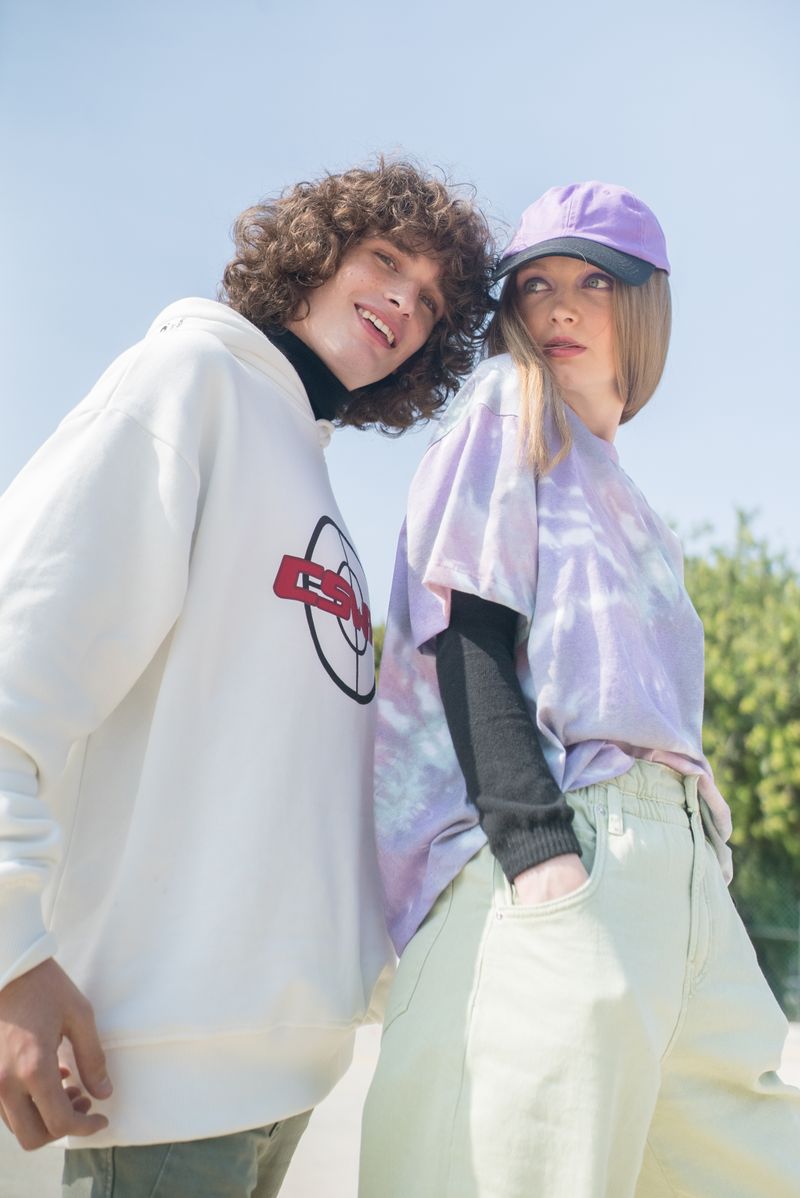
Palm Angels’ cultural footprint goes far past style, amplifying awareness in ways regular marketing is unable to achieve. Performers like Travis Scott, A$AP Rocky, The Weeknd, and Bad Bunny have been spotted wearing Palm Angels in settings from concert stages to travel hubs. Sports stars across the NBA, Premier League, and Formula 1 frequently include Palm Angels into their non-game closets. Social media influencers with combined audiences exceeding 500 million showcase the brand in outfit videos, directing direct traffic to retailers. These mentions are predominantly organic — while Palm Angels participates in product seeding, the bulk of famous-person sightings are genuine personal selections, lending genuineness that paid campaigns can’t match. By 2026, Palm Angels has established cultural recognition where the label commands prestige among fashion-aware consumers.
How Palm Angels Measures Versus Main Rivals
Standing within the rival landscape shows Palm Angels’ defined niche. The comparison below places the brand next to its closest rivals across criteria meaningful for 2026 shopper decisions.
| Factor | Palm Angels | Off-White | Amiri | Rhude |
|---|---|---|---|---|
| Price Tier | Mid-Luxury ($250–$900) | Mid-Luxury ($300–$1,200) | High-Luxury ($350–$2,000) | Mid-Luxury ($250–$800) |
| Core Aesthetic | Skate + Italian craft | Art-meets-street | Rock-and-roll luxury | Vintage Americana |
| Manufacturing | Italy | Italy/Portugal | Italy/USA | USA/Portugal |
| Key Category | Track suits, graphic tees | Sneakers, hoodies | Denim, leather | Shorts, graphic tees |
Palm Angels’ key strength comes from its distinctive cultural origin (LA skate culture), consistent Italian construction, and accessible-yet-luxury price positioning. Versus Off-White, which has dealt with identity difficulties after Virgil Abloh’s passing, Palm Angels offers more reliable brand direction. Compared to Amiri, it provides a more reachable pricing without proportional quality drops.
Green Direction and Forward Direction
As buyer awareness of fashion’s environmental impact intensifies, Palm Angels has made careful steps toward responsible manufacturing. The house’s 2025 environmental report described clear plans: organic and BCI-certified cotton in 60% of cotton garments by 2026, phasing out of new plastic from all packing materials by Q3 2026, and a special range using reclaimed polyester from ocean waste. Italian production naturally has a reduced carbon footprint than production requiring long-distance shipping. The brand has also partnered with The RealReal to support verified re-sell. Looking forward, growth under New Guards Group points to new areas (eyewear, home goods, perfume), stronger presence into Asia-Pacific territories, and perhaps independent women’s lines. The bedrock elements that make Palm Angels appealing — genuine cultural roots, high-standard production, recognizable brand personality — are durable differentiators that set up the brand strongly irrespective of where specific trends go.