Understanding the psychology behind gambling What drives your bets
Understanding the psychology behind gambling What drives your bets
The Allure of Gambling
Gambling has always captivated human interest, drawing individuals into a world of chance and unpredictability. The thrill of potentially winning a large sum of money often overshadows the risks involved. This dynamic creates a powerful psychological allure, where the anticipation of a possible win becomes addictive. Players often experience a rush of adrenaline, which can be as enticing as the prospect of winning itself. As you explore your options, consider the top bitcoin casino available to enhance your experience.

The emotional highs associated with gambling can lead to a cycle of repeated behavior. Many gamblers find themselves returning to the tables or slots, driven by the desire to replicate their previous wins or to recover losses. This cycle can create an almost obsessive relationship with gambling, as players become increasingly focused on the outcomes rather than the activity itself.
The Role of Cognitive Biases
Cognitive biases significantly influence gambling behavior, often leading players to make irrational decisions. One common bias is the illusion of control, where gamblers believe they can influence the outcomes of games of chance. This belief can lead to overconfidence, making individuals more likely to place higher bets despite the inherent randomness of the games.
Another prevalent bias is the gambler’s fallacy, where individuals think that past events can impact future outcomes. For instance, a player may believe that after a series of losses, a win is due. This misconception reinforces the gambling cycle, as players continue to engage in betting behavior based on flawed logic, ultimately driving their bets further.
Emotional Triggers and Gambling
The emotional landscape plays a crucial role in gambling. Many people gamble to escape stress, anxiety, or sadness, seeking solace in the excitement of the game. This emotional connection can create a temporary distraction, allowing individuals to forget their problems. However, this coping mechanism can turn detrimental when it leads to excessive gambling behavior.
Additionally, the social environment surrounding gambling can amplify emotions. The atmosphere of a casino, filled with excitement and energy, can enhance the urge to gamble. Peer influence and the desire to fit in may lead individuals to participate in gambling activities, even if they initially had reservations. These emotional triggers contribute to decision-making processes and betting patterns.
Impacts of Rewards and Reinforcement
The psychology of rewards is a significant driver behind gambling behaviors. The intermittent rewards system prevalent in gambling—where wins are unpredictable and sporadic—can create a strong reinforcement effect. This type of reward system leads to increased engagement as players chase the next win, regardless of the amount lost previously.
Neuroscience has shown that the brain’s reward system is activated when individuals win, releasing dopamine, a neurotransmitter associated with pleasure. This biological response reinforces gambling behavior, encouraging players to continue betting in hopes of experiencing that rush again. The combination of psychological and physiological responses creates a potent environment for gamblers.
Finding the Right Gambling Environment
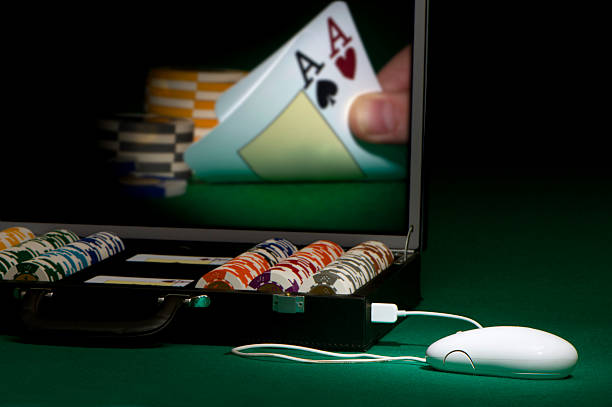
When it comes to gambling, choosing the right environment can significantly affect one’s experience. Online gambling platforms, for instance, have become increasingly popular, offering convenience and a wide range of options. These platforms often emphasize user experience, ensuring players can easily navigate through various games without the distractions of physical casinos.
Furthermore, as gambling evolves, new trends, such as crypto casinos, provide anonymity and privacy, appealing to those who value security. These platforms also often feature quicker registration and withdrawal processes, enhancing user satisfaction. As such, understanding the psychological aspects of gambling can help players find an environment that aligns with their preferences, ultimately leading to a more enjoyable experience.